Clicca sul + e scopri

Let's get in touch

Contact us for more information or a quote.

Request submitted succesfully!
There are erros, check the form

19 marzo 2021 - News

Merchandising: In-Store and Brand Strategies

erica-zhou-IHpUgFDn7zU-unsplash

Condividi

rademark and Visual Merchandising: Techniques to Capture Customer Attention

Merchandising is a term that cannot be missing from the vocabulary of anyone working in marketing or sales. It is a word with a dual meaning, referring to two distinct areas; but its goal is certainly one: sales. We are talking about trademark merchandising and visual merchandising. Let’s see what they are.


Trademark Merchandising

This type of merchandising aims to brand various products, even if they are not directly related to the sector in which the brand operates.

For example, these are the gadgets a brand chooses to produce, such as Hard Rock Café t-shirts, all products sold in a museum bookstore, pins, caps, and so on. These are “branded” products designed to promote the logo (here are our tips for creating an effective logo) or something that unmistakably identifies the brand.

Here, the winning factors are original and innovative ideas, as well as the visual appeal and beauty of the product. Gadgets do not necessarily have to be inexpensive because they act as a keepsake, and people are often willing to pay for that memory. Therefore, they can certainly be considered a source of revenue.

In-Store Merchandising

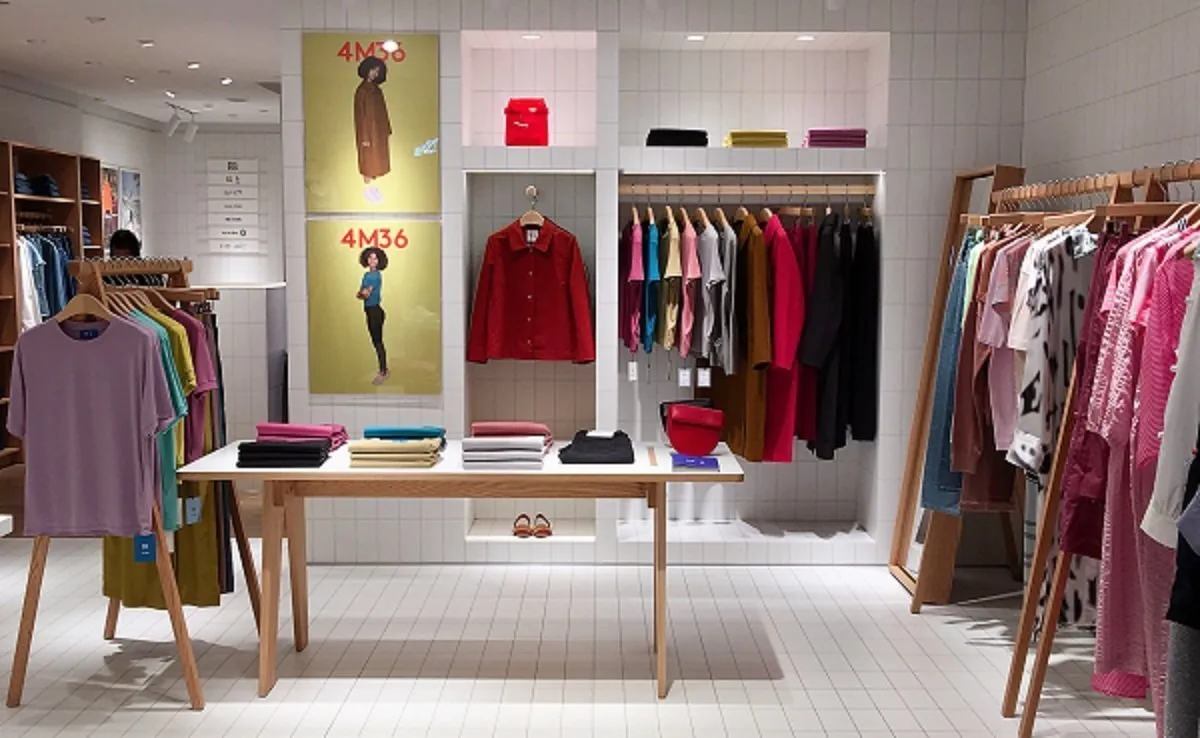
Visual merchandising focuses on the arrangement of products and the organization of the sales space. It is a technique useful for anyone managing a retail environment, from a small stall to a megastore. The goal is to implement ideas and strategies that attract customers and encourage purchases, evoking pleasure, curiosity, and positive sensations. Visual merchandising can be a natural talent, but it is also a skill refined over time or studied as a discipline. In today’s highly competitive market, intuition and good taste alone are often not enough. There are professionals and consultants who carefully analyze store layouts and product placement — an essential part of understanding a brand’s identity.

Everything Has a Purpose

We experience it every time we enter a store or approach a display window. The pleasing arrangement of items, whether orderly or intentionally scattered, captures our attention and sparks curiosity. A window filled with identical products is striking, as is a minimalist display featuring a single illuminated item. Then there are the lighting, internal pathways, staff uniforms, and promotional shelving — all of which serve a deliberate purpose.

Key Aspects of Visual Merchandising

In summary, there are four main elements:

  1. Customer flow: The path customers follow inside the store. Think of highway rest stops, where the layout is designed to ensure exposure to all products. The same applies to some chains, like Tiger or IKEA, which guide visitors along a predefined route with clear signage.

  2. Product placement by area: Grouping items by category, sector, or brand. Within the same category, products are positioned strategically to facilitate comparison and optimize visibility.

  3. Shelf, display, and counter arrangement: The “choreography” of products and overall visual impact.

These elements directly influence customer choices, sales, and the perception or identity of a brand, making visual merchandising a critical tool in retail strategy.

This site is protected by Google reCAPTCHA v3, Privacy Policy and Terms of Service.