Let's get in touch
Contact us for more information or a quote.
29 settembre 2020 - Approfondimenti
The Meaning of Colors in Marketing
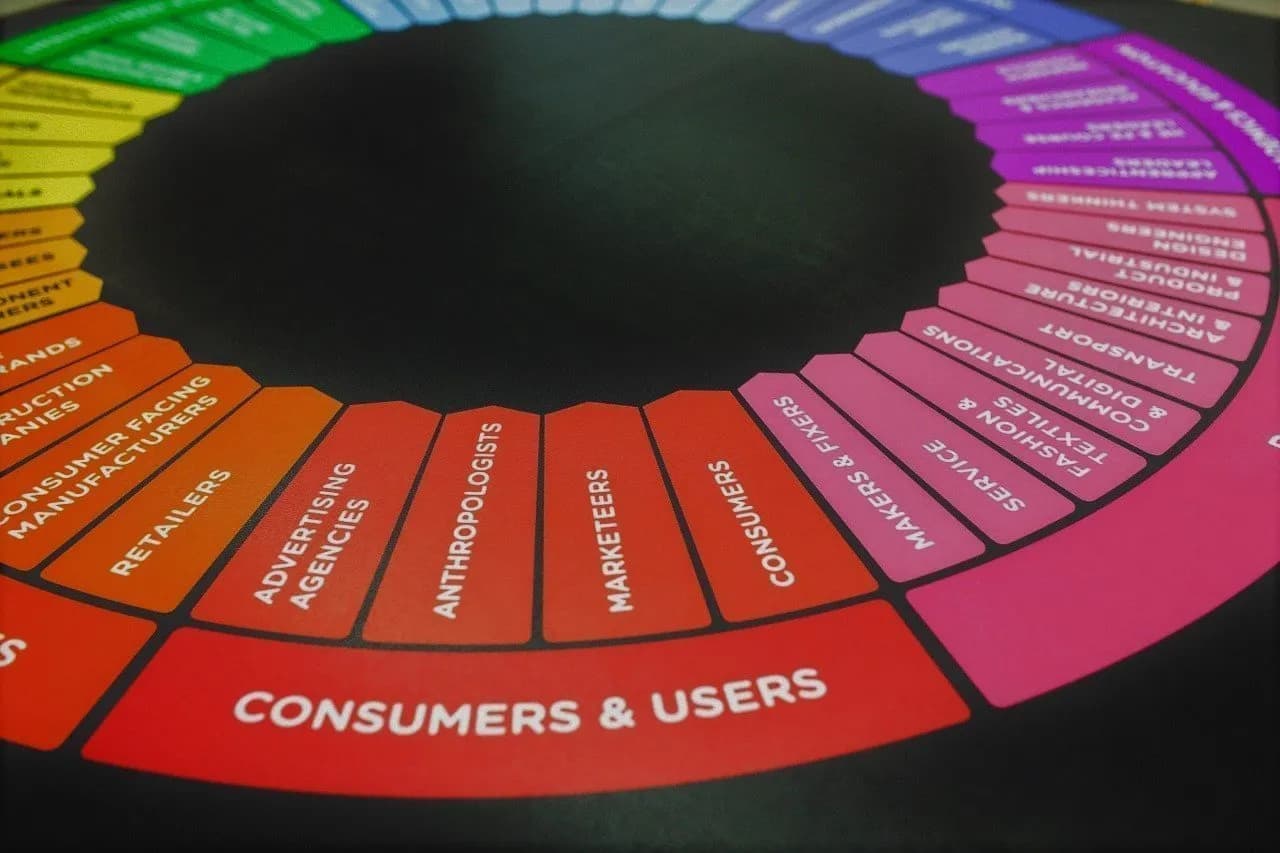
Colors play a crucial role in marketing and in defining a product’s visual identity. The psychology of color lies at the heart of how messages and emotional stimuli reach the audience. Here are some tips for choosing the right colors.
Colors are a fundamental part of marketing—they contribute to shaping a brand’s identity. They must be both appealing and consistent with the product’s nature and the company’s philosophy. Most importantly, colors carry specific meanings that form the foundation of marketing and neuromarketing strategies. Let’s explore how color psychology can support the development of a coherent visual identity.
The Psychology of Color
Colors have immense visual power: they evoke emotions and sensations in those who see them. For this reason, neuromarketing also studies how to choose colors that best capture the audience’s attention. Colors can stimulate certain areas of the brain and are tied to a symbolic system we subconsciously respond to. According to some studies, up to 90% of product-user interactions are influenced by color choices—meaning that color, more than any other design element, can attract or repel potential buyers.
Color and Brand Identity
Companies must select their brand colors carefully to enhance the message they wish to convey, aligning with the symbolic meanings of each color. The chosen color should be consistent with the brand’s values, nature, and heritage—and maintained over time to avoid confusing the customer (unless the communication strategy changes).
Which colors are most frequently used by successful brands? Blue is used by 33% of companies, red by 29%, black by 28%, and yellow by 13%. Interestingly, 95% of leading brands use two colors in their graphics; only 5% use more.
Warm and Cool Colors
The first distinction in color psychology is between warm and cool tones, as they evoke very different emotions.
Warm colors—reds, oranges, and yellows—are associated with heat, the sun, passion, and love. They create a sense of closeness and engagement.
Cool colors—blues, greens, and purples—convey trust, calm, and security.
White symbolizes purity, perfection, and elegance; it’s the “non-color” that communicates simplicity and refinement.
Black, while linked to darkness and mystery, also represents sophistication and luxury.
Gray, a neutral and linear shade, works beautifully in contrast with bold tones, enhancing their impact.
Red: When to Use It
Red is the ultimate warm color—it embodies love, passion, and strength. But it’s also the color of blood and danger, immediately signaling urgency. That’s why it’s often used for promotions and call-to-action elements. Red draws attention effectively but can also tire the eye and raise tension, so it should be used sparingly.
Bright red is ideal for highlighting text, titles, or website buttons, while darker shades convey seriousness and sophistication. Combined with orange or green, red is often used in the food industry. Deep reds, associated with sensuality and maturity, work well for cosmetics and perfumes. However, red should generally be avoided in healthcare and finance, where it can signal danger or instability.
Orange
Sitting between red and yellow, orange symbolizes positivity, energy, and enthusiasm. It draws attention and invites interaction—it’s a dynamic, cheerful color that conveys movement and creativity. Orange pairs well with green or blue, helping graphic elements stand out without overwhelming them. It’s widely used in children’s products for its playful energy but is less suitable for formal or serious messages.
Yellow
Yellow is the color of the sun—pure energy, joy, and optimism. It evokes warmth, intellect, and creativity, combining the liveliness of red without its negative associations. Yellow is particularly appealing to young audiences and is often used in children’s drawings. It captures attention positively and reassuringly, making it perfect for creative fields and the food industry. Yellow also works beautifully in contrast with black or gray for strong visual impact.
Green
Green is the color of nature and immediately evokes health and wellbeing. It communicates relaxation, peace, and positivity, making it one of the most calming colors. Green is widely used for eco-friendly, sustainable, and wellness brands. Darker greens, like olive tones, convey trust, stability, and prosperity—often used in financial or legal sectors. In food and beverage design, green highlights natural, organic, or vegetarian qualities. Light greens feel youthful and fresh, while deeper greens express maturity and sophistication.
Blue and Light Blue
Blue symbolizes tranquility, harmony, and trust—the opposite of red. It’s associated with truth, intelligence, and reliability, which is why it’s the most popular color in corporate branding and customer service industries. However, while trustworthy, blue can feel distant and formal, so warmer tones like yellow or orange are better for fostering emotional connection. Blue is ideal for medical and professional sectors, where it conveys reliability and calmness.
Light blue, meanwhile, is tied to health, freshness, and renewal. It’s dynamic and optimistic, perfect for communication, wellness, and holistic practices such as yoga, meditation, or massage.
Pink and Purple
Pink is a warm, soothing color often associated with femininity, grace, and gentleness. In stronger tones like fuchsia, it expresses optimism and confidence.
Purple is more complex—it signifies wisdom, mystery, and spirituality, but also luxury, nobility, and beauty. Because of this, it’s widely used in cosmetics, wellness, and interior design, as it conveys refinement without being overtly feminine.
This site is protected by Google reCAPTCHA v3, Privacy Policy and Terms of Service.