Clicca sul + e scopri

Let's get in touch

Contact us for more information or a quote.

Request submitted succesfully!
There are erros, check the form

8 ottobre 2020 - Approfondimenti

Craft Beer: The Label That Enhances Its Value

anomaly-krf2UjxxTfs-unsplash-scaled

Condividi

Craft beer must stand out and express its unique personality — starting with its label. Here are some tips on how to choose the right design for your beer.

The Craft Beer Label: Definitely Not a Detail

It’s increasingly evident that the trend — especially in the agri-food sector — is moving toward artisanal production and self-production. Consumers are showing a growing preference for genuine, small-batch products, even at a slightly higher price, and they seek a more direct connection with producers and insight into production processes.

The lockdown period during the pandemic accelerated this tendency, with a sharp increase in direct purchases from producers and solidarity purchasing groups. Wine and beer are no exception — both are part of Italy’s remarkable food and beverage heritage.

However, despite high demand and favorable conditions for the craft market, marketing choices and design elements such as graphics and packaging are often improvised, failing to communicate the true quality of the product. Major investments aren’t necessary, but attention to a few key details can make all the difference. Let’s take the craft beer world as an example and explore some tips to make it visually appealing and competitive.

Defining the Product

There are many types of beer — especially in the craft sector — and every choice, ingredient, and production step follows specific intentions. A craft beer must communicate its entire story at first glance.

There are, of course, some starting points for defining a beer’s identity:
Is it light, amber, or dark? Is it crisp and summery, or smoky, aromatic, and full-bodied? Should it be served cold or at room temperature? Does it feature a distinctive ingredient that defines its aroma?

All these details are essential to a beer’s image and should be expressed and enhanced through symbols, colors, and words — in the logo, the label, the packaging, and even in how it’s displayed.

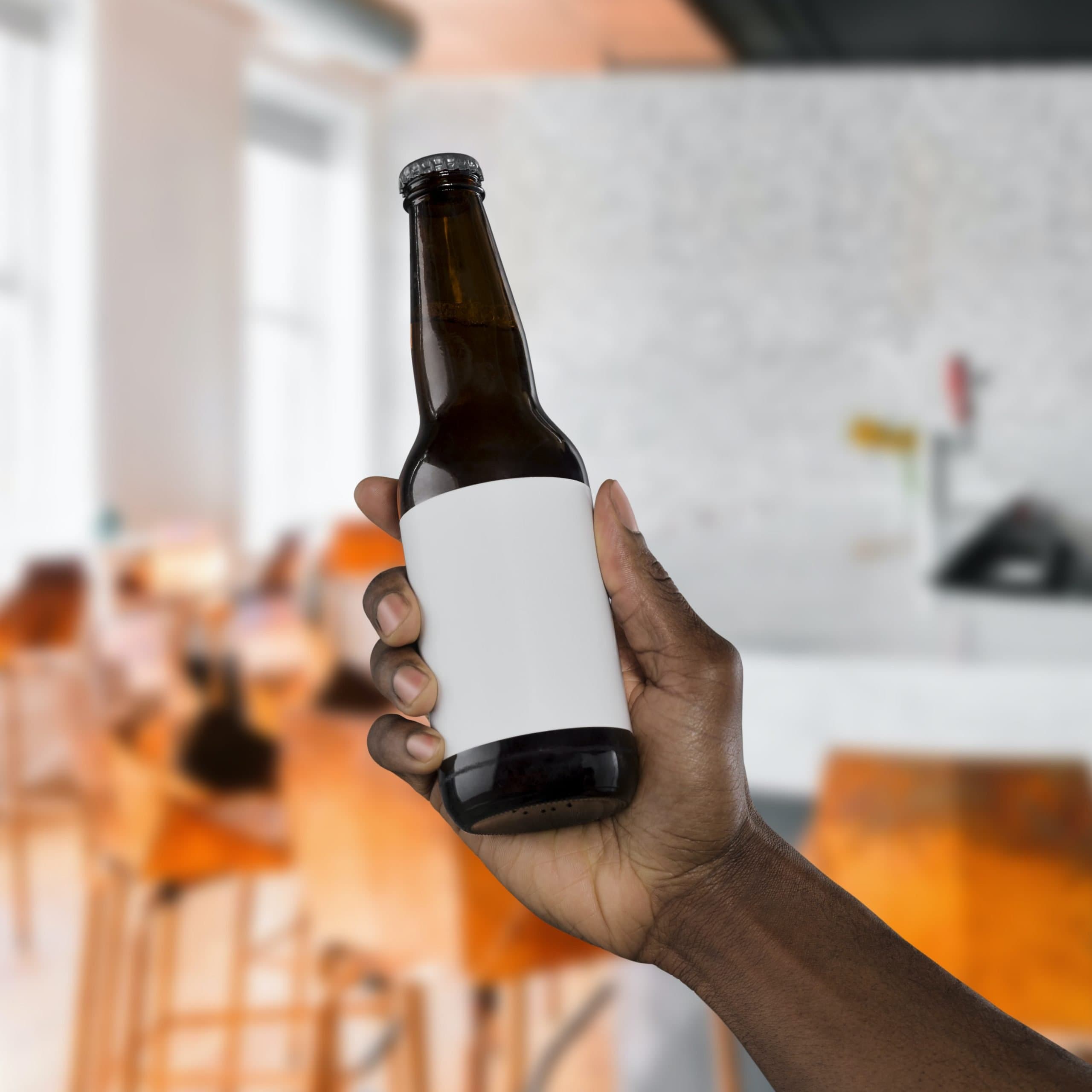
bottiglia birra senza etichetta

Knowing Your Audience

Another key aspect in defining the identity and image of a craft beer is identifying its target audience. Who is this beer meant for? Is it a light, youthful beer or a bold one for connoisseurs and experienced drinkers? Is it designed as a dining-table bottle or a casual, on-the-go can? Is it affordable for younger consumers or premium-priced for an adult audience willing to pay more? Will it be sold in supermarkets, artisan markets, or specialty stores?

The target audience strongly influences the colors, style, and symbolism of the label’s design — all of which must attract the right kind of customer and communicate the right message at first glance.

Choosing the Right Label Style

While traditional, mass-market beers often rely on simple and familiar branding — easy-to-read names and straightforward symbols — craft beers must express their distinct personality and story through design. Creating that identity is, in itself, a true form of art.

Just like with wine labels or product logos, a craft beer label should convey its quality, characteristics, history, and target audience. If special ingredients define the aroma, they should be stylized and visually represented. If the beer is seasonal, this should be communicated through color palettes, symbols, or illustrations.

The name is crucial and must be immediate and memorable. A helpful approach is to list keywords associated with that particular beer style and play with combinations to find the most fitting name.

Typography also plays a key role:

  • For a bold, complex beer, opt for an elegant and assertive font.

  • For a light, festive beer, choose something more playful and colorful.

Every element — from the text to the graphics — should be clear, legible, and visually balanced, ensuring the overall design remains cohesive without appearing cluttered or overwhelming.

etichette di birre artigianali

Colors for Craft Beer

Colors in marketing — as we’ve often discussed — are essential and deeply symbolic. They evoke emotions and associations almost subconsciously, which is why color choices should always be deliberate and strategic.

Let’s start with the glass bottle, which typically comes in three colors: brown, green, and clear.

  • Brown bottles filter sunlight, protecting beers that are more sensitive to light exposure, such as hoppy varieties.

  • Clear bottles are suitable when light sensitivity isn’t an issue and when the product’s color is part of the appeal.

  • Green bottles are often associated with large-scale, mainstream beer brands, which is why craft brewers tend to avoid them in favor of more distinctive options.

Once the bottle color is chosen, the next step is to define the color palette for the label and branding.

  • Brown bottles offer a neutral background, allowing for more creative freedom in design.

  • Green bottles work best with complementary tones like red, white, and black.

  • Clear bottles showcase the beer’s natural color, so the label design should provide contrast without overpowering it.

The most commonly used hues for beer label design are often inspired by the beer itselfamber, gold, orange, red, and brown — shades that recall its body, flavor, and warmth.

Label Shapes and Materials

Alongside the visual design, the shape and layout of the label play a fundamental role in achieving aesthetic balance.

Key considerations include:

  • Placement: Will the label be applied to the bottle’s body, neck, or both (front and back)?

  • Format: Will it wrap around the bottle, be circular, or vertically oriented?

  • Size: This depends on the bottle capacity — most commonly 33 cl, 66 cl, or 75 cl — and directly influences how text and graphic elements are distributed.

It’s important to remember that mandatory information — such as net content, alcohol percentage, and producer details — must be clearly legible, requiring simple fonts and sufficient sizing.

As for materials, beer labels are typically printed on coated, waterproof, and grease-resistant papers to withstand condensation — an essential feature, since beer is usually served cold. Some producers, however, opt for matte papers for stylistic reasons.

Another elegant alternative is the transparent adhesive label, which lets the bottle itself act as a backdrop, highlighting only the graphic elements.

At Ilma Etichette, we frequently use non-tear papers, metallic papers in various gold and silver tones, and even high-quality plastic films to meet every design and performance need.

etichette di bottiglie

Printing and Applying Beer Labels

Being an artisan doesn’t mean doing everything by hand — nor does it mean that a poorly printed label aligns with a craft approach. Printing and application must be treated with the same care and professionalism as the brewing itself.

The right printing method depends on several factors:

  • the quantity of labels to be produced,

  • whether the label shapes and sizes are standard or irregular,

  • the desired print resolution, and

  • the available budget.

At Ilma Etichette, we recommend custom digital printing — a solution that ensures excellent print quality, flexibility in quantities, precision in graphic reproduction, and fast turnaround times.

All our labels are automatically coated with a protective varnish to guarantee full resistance to moisture, cold, and water. This finish can be either glossy or matte, depending on the client’s aesthetic preferences.

As always, labels can be further enhanced through premium finishes such as gloss or matte screen coatings, soft-touch lamination, or Braille embossing for a sophisticated tactile effect.

Do you have a craft beer brand and need advice on designing or printing your label?
We’re here to help — fill out the form with your request, and we’ll get in touch for a free initial consultation.

This site is protected by Google reCAPTCHA v3, Privacy Policy and Terms of Service.