Let's get in touch
Contact us for more information or a quote.
17 settembre 2020 - Approfondimenti
How to Create an Effective Label: Design, Materials, and Application
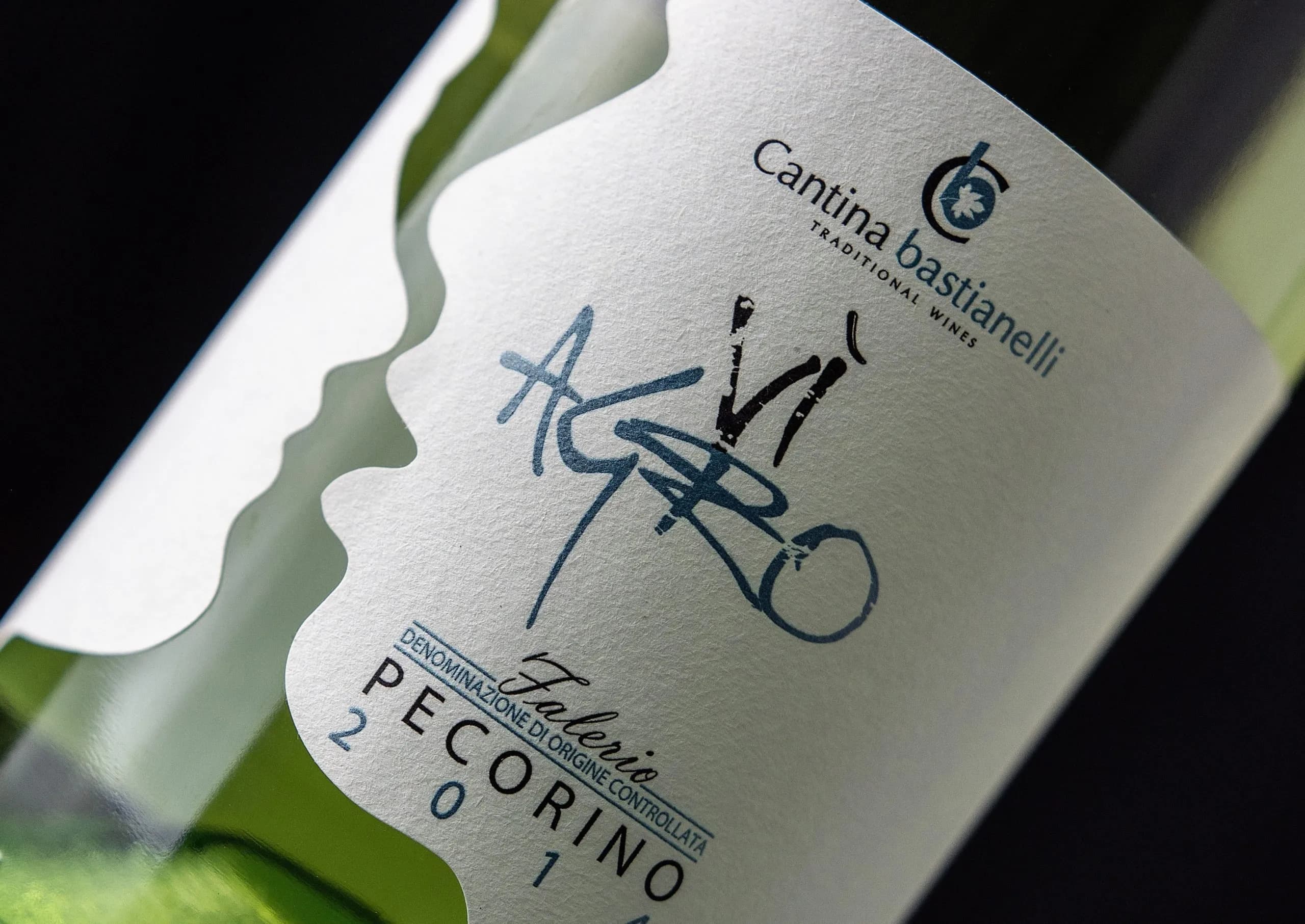
A label is essential for any product. Beyond identifying a brand, it provides complete and accurate information. But how do you create an effective label? Here are some practical tips based on our experience.
A well-known saying among marketing experts goes: “The label sells the first bottle of wine. The producer sells the rest.”
This perfectly sums up how crucial label design is to a product’s success. A label does more than identify a brand — it informs, instructs, and attracts. Whether discreet or prominently displayed, a label must be functional, informative, and visually appealing. Below are some key guidelines to avoid common mistakes and achieve an excellent result.
Eye-Catching and Consistent Design
While a label’s visibility may vary from product to product, its design must never be neglected. For items like wines, canned foods, perfumes, or personal care products, the label plays a central visual role. In addition to meeting all regulatory requirements, it must be attractive and engaging. Designing a label, much like creating a logo, is far from simple.
The label’s graphics should align with the brand’s broader visual identity. Colors, lines, and style need to reflect the product’s nature and the company’s personality. While the label should be visually striking, it must also clearly display all relevant information — which requires a balanced layout that’s easy on the eye.
Basic designs can often be handled with simple graphic software, but for high-end or long-term products, professional support is essential. A graphic designer can ensure proper image resolution, margins, cutting lines, and create a scalable vector file ready for multiple uses.
Key Parameters in Label Selection
When developing a label, most attention is often placed on design and aesthetics. However, technical factors are equally important. Labels come in many types, each with distinct properties. The right choice depends on:
-
the surface material of application,
-
the shape of the surface,
-
the intended lifespan of the label, and
-
the conditions of use.
Some labels must withstand heat, cold, or humidity; others need to resist outdoor exposure, water, solvents, or detergents. Assuming one type of label can work for all situations is a serious mistake.
Label Materials: What Makes the Difference
The material used for label production has a direct impact on quality and durability. It should be carefully selected based on how long the product is meant to last. More economical materials typically deteriorate faster. Depending on the use case, you may choose lightweight materials that are easily removable, or stronger adhesives with fast and lasting grip.
Labels may also need to withstand high or extremely low temperatures, such as those found in refrigerators or freezers.
That’s why the choice of paper is a critical factor in creating an effective label. Depending on the product type, the surface, and exposure to external agents, you might opt for barriered wine paper, metallized paper, oil-resistant paper, and more.
Surface Material and Shape

When selecting the label’s material and adhesive, consider the surface it will adhere to — glass, plastic, paper, metal, and so on — and choose a combination that ensures strong adhesion. Not all labels stick equally well to every surface, such as rubber or wood.
Even knowing the surface material isn’t always enough — it’s best to have a sample for testing. Designing a label without the actual product on hand can lead to poor fitting or alignment.
Cylindrical surfaces like bottles or jars are typically straightforward to label, but more irregular shapes may require precision testing to ensure a perfect fit.
At Ilma Etichette, we offer a free printed sample applied directly to your product — so you can evaluate the result before final production. Contact us for more information.
Finishing: When and Why to Use It

Depending on how the labeled product will be used, you may want to add a protective finish to the print. Finishes can be glossy, matte, soft-touch, scratch-resistant, or textured. Some label materials already include a protective coating that ensures durability even under harsh conditions, making additional finishing optional.
In other cases, however, choosing the right finish can make all the difference. For example, soft-touch lamination applies a thin transparent film that gives the label a silky, luxurious texture — ideal for premium products.
When labels are exposed to high humidity or direct sunlight, a transparent laminated finish is often essential to preserve color brilliance and print resolution over time.
Manual or Automatic Application
Even a perfectly designed and printed label can lose its impact if applied poorly. The application method should match the final objective.
Manual application may be sufficient for temporary or low-value items (like shipping parcels or lab samples), but for consumer products, precision and consistency are crucial. Today, there are many compact and user-friendly automatic and semi-automatic labeling systems available. A professional can help determine the best option depending on the surface type, material, and production volume.
In designing and producing a label, every stage matters — from concept to material choice, from finish to application. Overlooking even one detail can compromise the final result. Sometimes, the guidance of an experienced professional can make all the difference, ensuring excellence down to the smallest detail.
Would you like to know more? If you’re looking for expert advice on how to design or print an effective label for your brand, we’re here to help with a free initial consultation.
This site is protected by Google reCAPTCHA v3, Privacy Policy and Terms of Service.